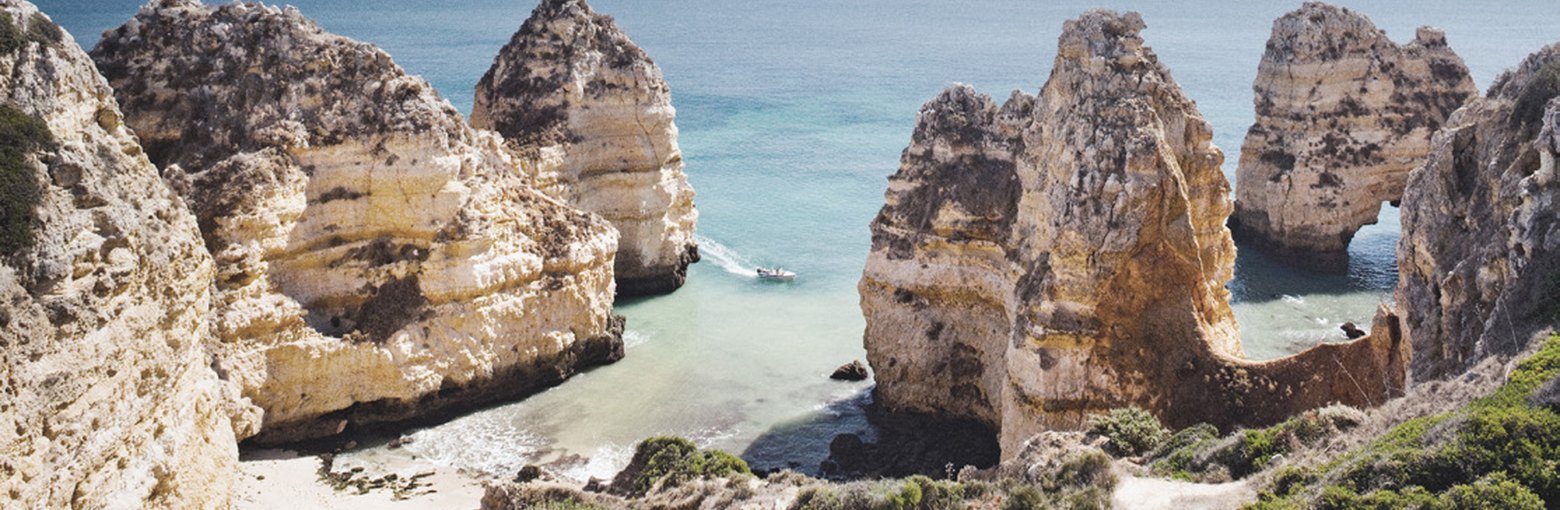
Pastéis de nata, port cellars, fairy-tale palaces and golden coves — my complete guide to Portugal.
Why Portugal
Sun-drenched hilltops, golden azulejo tiles, world-class seafood and a pace of life that basically begs you to linger. Portugal is one of those places that rewards slow travel — from Lisbon’s cobblestone lanes to the fairy-tale palaces of Sintra, the wild Atlantic coast, the sun-soaked Algarve and the port cellars of Porto.
Its culture grew from a rich mix of Celts, Romans, Moors and Jewish communities. Hand-painted tiles line the streets, and the melancholy strains of fado drift out of open windows in the old quarters. Down south, the Algarve’s cliffs and golden coves steal the show. Up north, Porto hypnotizes with its mix of old and new, and the Douro Valley — the oldest demarcated wine region in the world — rolls out in impossibly green terraces along the river.
This guide is my little black book for the whole country: where to eat, what to skip, what to book before you land, and a few of my own non-negotiables along the way. Read it front to back before you pack.
When to Go (And When Not To)
April – June — wildflowers, mild temps (roughly 60–75°F), long daylight hours and fewer crowds. My favorite window, especially for first-timers.
September – mid-October — warm days, cooler nights, grape harvest in the Douro and Lisbon wine regions, and a noticeably calmer Sintra and Belém. Fall is honestly the prettiest season here.
Avoid late July – August if you can — peak heat (90–100°F inland and in Lisbon), the highest hotel rates of the year, and long lines at Sintra and Belém.
Christmas & New Year — lovely in Lisbon and Porto, but they book up fast and some smaller restaurants close for the season.
Winter (Dec – Feb) — 50–55°F, mild and genuinely peaceful. Pack a warm layer; Portuguese buildings aren’t heavily insulated.
Heading north to Porto and the Douro? Go outside the height of summer. And if you’re traveling with little ones, Lisbon and the Algarve are your best bets — the north is very wine-centric.
Lisbon
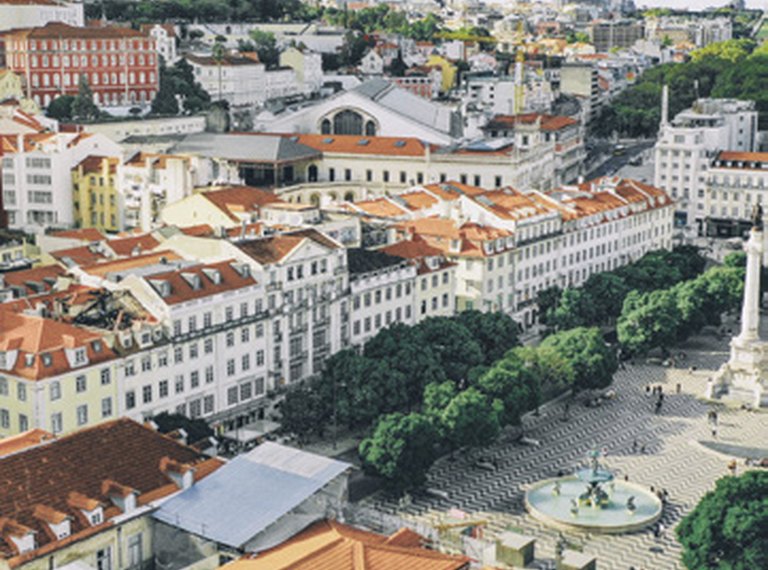
Built across seven hills overlooking the Tagus River, Lisbon is one of Europe’s most captivating capitals — winding lanes, legendary pastry stops, rooftop bars at golden hour, and some of the most affordable fine dining on the continent. One rule before anything else: reservations are essential. Book your top dinners before you arrive — the best tables fill up weeks ahead, especially on weekends.
Things to See & Do in Lisbon
Pastéis de Belém — Rua de Belém 84–92. The original pastel de nata, made here since 1837 with a closely guarded recipe. Get there early or expect a line (it moves fast). Non-negotiable.
Belém Tower & Jerónimos Monastery — two UNESCO-listed Manueline landmarks side by side on the waterfront. The monastery cloisters alone are worth the trip. Book entry tickets online in advance — midday lines in high season run long.
Alfama & São Jorge Castle — Lisbon’s oldest neighborhood, a labyrinth of medieval lanes tumbling toward the river. Wander without a map, find a miradouro, and listen for fado. The castle has sweeping views over the city.
Time Out Market — Mercado da Ribeira, Cais do Sodré. The original food hall that launched a global concept, in a gorgeous 19th-century market building. Try as many things as you can.
LX Factory — a repurposed 19th-century industrial complex full of independent shops, bookstores, studios and restaurants. The Sunday market is one of the best in the city.
Street art — world-class murals all over the city. Explore on foot or with a guide.
Bike tour — one of the best ways to cover the neighborhoods quickly with local context. Perfect for your first morning.
Book Lisbon tours & skip-the-line tickets →
Where to Eat in Lisbon
SEEN by Olivier — rooftop at the Tivoli Avenida Liberdade. One of the most beautiful dining settings in Lisbon, with serious cocktails and a view that justifies the trip on its own. Book early in your stay.
Santelmo — elegant, intimate contemporary Portuguese in Príncipe Real. Exceptional wine list. Reserve ahead.
Tantura — Israeli/Middle Eastern in Chiado. Bold, vibrant and vegetable-forward — a welcome change of pace mid-trip.
Bon Jardim — Baixa. A legendary, no-frills hole in the wall famous for piri piri chicken and crispy fries. Paper tablecloths, unforgettable food. Non-negotiable.
Ramirez — Alcântara. One of Lisbon’s most celebrated seafood spots (the tuna!), and yes, they serve a steak sandwich as “dessert.” A Lisbon institution. Book well ahead.
Boa Bao — Pan-Asian in Príncipe Real, no reservations. Strategy: put your name in, then walk across the street for drinks while you wait.
Taberna Sal Grosso — Mouraria. An authentic tasca with honest, seasonal food and great wines by the glass.
A Cevicheria — Príncipe Real. Citrusy seafood and a giant octopus hanging from the ceiling. The octopus ceviche is equally memorable. Book ahead.
Solar dos Presuntos — Rossio. A classic Lisbon institution for a long, leisurely lunch with a carafe of house wine.
Time Out Market — graze from multiple vendors for a casual lunch or early dinner.
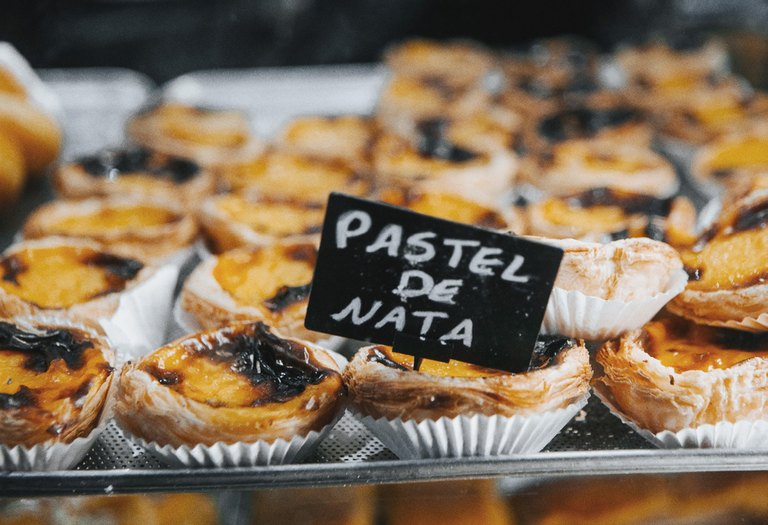
- Pastéis de Belém — the original and only true pastel de nata.
- Manteigaria, Chiado — the best in the city center. Watch them being made through the glass.
- Versailles, Av. da República — a gorgeous Belle Époque café for a mid-afternoon coffee.
SEEN by Olivier — start or end the night here. The views over Liberdade are extraordinary.
Park Bar — Bairro Alto. Hidden on top of a parking garage — walk through and take the elevator up. Relaxed crowd, stunning views.
Pavilhão Chinês — Campo de Ourique. A museum-like bar lined floor to ceiling with antiques and curiosities. Order a gin and tonic and explore.
Bairro Alto Hotel Bar — sleek, sophisticated, consistently excellent. Perfect for a pre-dinner cocktail.
A Perfect 2 Days in Lisbon
Day 1The City Classics
Morning: a 2–3 hour guided bike tour covering Belém, the riverfront and the historic neighborhoods.
Mid-morning: Jerónimos Monastery cloisters (tickets booked online), then next door to Pastéis de Belém. Order at least three.
Afternoon: tram or rideshare up to Alfama, wander the lanes, climb to São Jorge Castle, then find a miradouro for a glass of wine.
Late afternoon: an hour browsing LX Factory.
Evening: Ramirez for seafood or Bon Jardim for piri piri chicken. Want lighter? Put your name in at Boa Bao and grab drinks nearby.
Day 2Sintra & the Coast
Early: catch a train from Rossio to Sintra (40 minutes) — aim for 9am to beat the Pena Palace crowds. Tickets bought online beforehand.
Morning: Pena Palace, then walk or tuk-tuk down to Quinta da Regaleira. Allow 2–3 hours for both.
Midday: Sintra’s old town and Piriquita for a travesseiro and a queijada.
Afternoon: continue to Cascais (or Estoril for the casino gardens) — beach time, the marina, the old town.
Evening: back to Lisbon for SEEN by Olivier or Santelmo, then cocktails at Park Bar or the Bairro Alto Hotel Bar.
Have more days? Add a Lisbon wine-region day, an Évora overnight, or a Douro Valley excursion from Porto. I’ll build out the rest.
Day Trips From Lisbon
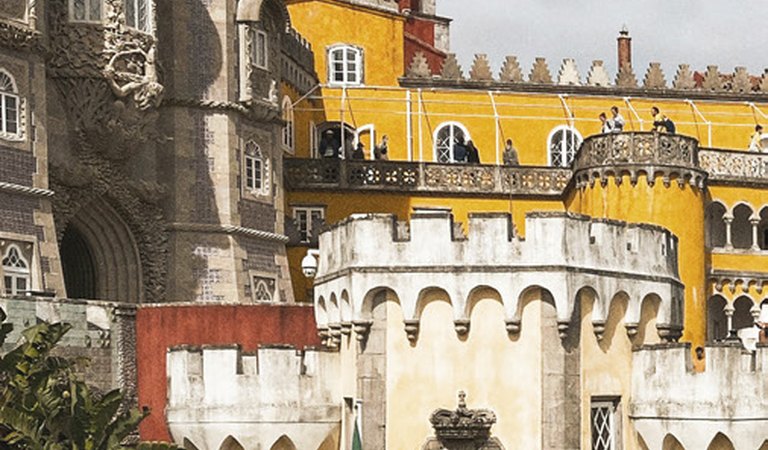
Sintra — 40 minutes by direct train from Rossio and one of the most extraordinary day trips in Europe. A UNESCO site of forested hills, candy-colored palaces and mystical gardens.
- Pena Palace — the iconic hilltop palace. Arrive at opening.
- Quinta da Regaleira — mysterious gardens, secret tunnels and initiatic wells. Surreal and beautiful.
- Moorish Castle — ancient ruins with panoramic views over the forest and coast.
- Piriquita, Rua das Padarias — home of the travesseiro (a puff pastry pillow of almond and egg cream) and the queijada de Sintra. If you do nothing else in the village, stop here.
Buy your Pena Palace ticket online well before you go — timed entry slots sell out days ahead from spring through fall, and showing up without one can mean hours of waiting or no entry at all. Wear real shoes; the hills are steep and cobbled.
Cascais & the Atlantic Coast — the Cascais Line from Cais do Sodré gets you to the beach in under 40 minutes. Pack your towel.
- Cascais Old Town — the marina, the citadel gardens and the fish market.
- Praia da Rainha & Praia da Ribeira — sheltered beaches right in town.
- Praia do Guincho — wild, windswept and one of the most dramatic coastlines in Western Europe.
- Estoril Casino Gardens — a pretty formal garden for a short stroll.
Évora & the Alentejo — 1.5 hours southeast and almost unknown to first-timers. A perfectly preserved UNESCO medieval city with a Roman temple, a Gothic cathedral, whitewashed streets and the eerie Chapel of Bones. The surrounding Alentejo is Portugal’s breadbasket — cork oaks, vineyards, olive groves. A driver or rental car makes this one easy.
The Lisbon Wine Region
Stretching along the Atlantic north and west of the capital, it’s one of Portugal’s most underrated wine areas, and most estates are 45–90 minutes from the city.
- Adega Regional de Colares — one of Europe’s oldest protected appellations, with vines in sandy coastal soil that survived phylloxera.
- Haja Cortesia Wines, near Sintra — boutique and family-run, with hands-on grape stomping. So fun for couples.
- Quinta da Boa Esperança — sustainable, organic and as much about the land as the wine.
- Adega Mãe, Torres Vedras — prestigious, precise, architecturally striking. Book in advance.
- Quinta de Sant’Ana, Gradil — a picturesque working farm with excellent still and sparkling wines.
- Quinta do Gradil, Torres Vedras — the region’s largest estate; great for an intro tasting.
I can arrange private guides, driver transfers and curated tastings at the best estates — just ask.
The Algarve
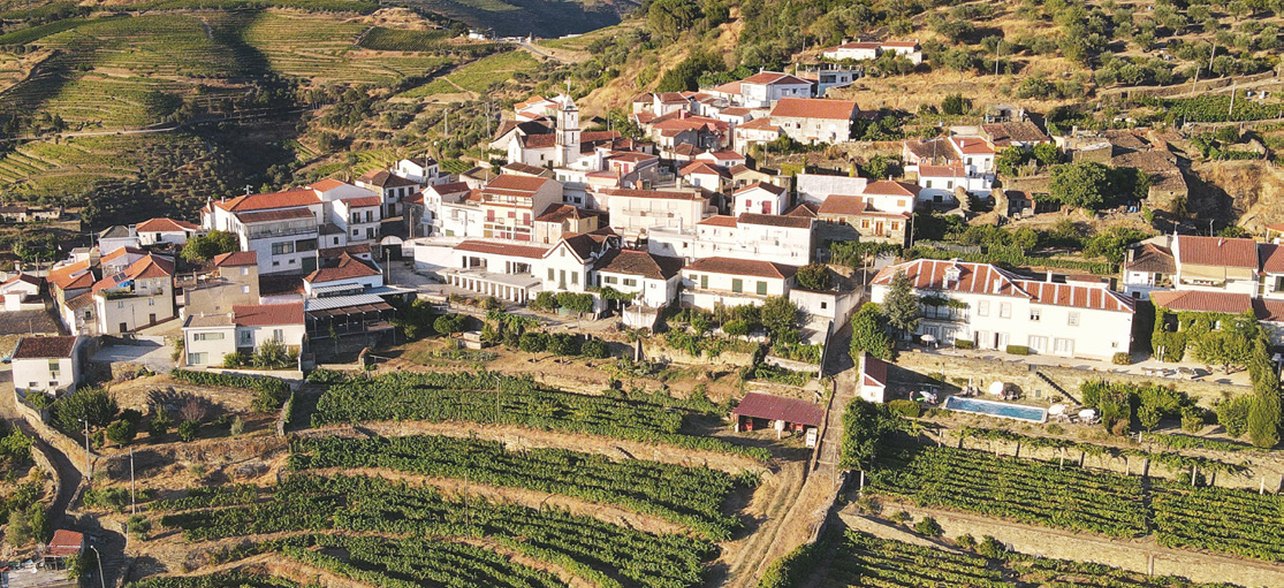
Portugal’s southern coast is one of Europe’s premier beach destinations — dramatic limestone cliffs, golden coves, clear warm water and outstanding seafood, all an easy 2.5-hour drive from Lisbon. Lisbon + the Algarve is the perfect city-and-beach combo.
Levels Carvoeiro — stylish and contemporary, with a stunning terrace over the sea. One of the Algarve’s most beautiful dining settings.
Villa Medici — a beloved local Italian with a devoted following. Book ahead in summer.
Quinta dos Santos — a vineyard restaurant; a wonderful lunch stop exploring the Carvoeiro coast.
Arte Náutica — grilled fish at its simplest and best, whatever came off the boats that morning. An essential Algarve experience.
Calixto Beach — a lively beach club with good cocktails and a front-row seat to one of the Algarve’s longest beaches.
Our Best of Albufeira Beaches
Whether you want a buzzy beach club or a secluded cove, Albufeira has your beach day covered. Our top picks:
Praia da Coelha — just under 4 miles from Old Town and exactly what comes to mind when you picture the Algarve: yellow cliffs, fine golden sand, seashells and crystal-clear water. Reefs just offshore make it great for snorkeling.
Praia de São Rafael — about a 25-minute walk from Coelha. Bright orange cliffs, clear water and clifftop viewpoints over the open sea, plus water sports, chairs and umbrellas to rent.
Praia da Falésia — 3 miles long, the longest golden beach in Albufeira. Perfect for long walks beneath dark red cliffs, with hiking and biking trails up top all the way to Vilamoura.
Praia da Oura — just outside Albufeira’s lively “New Centre,” with golden sand, red and brown rock formations, little caves and coves (tricky when the sea is rough), and bars and restaurants on “The Strip” a short walk away.
Praia dos Pescadores — right in front of Old Town, so easy for a quick dip or a full day. Named for the fishermen who first launched their boats here; colorful boats still line the sand, plus rentals and parasailing.
Want more Algarve tables? I keep a full curated list by town — ask me.
Porto
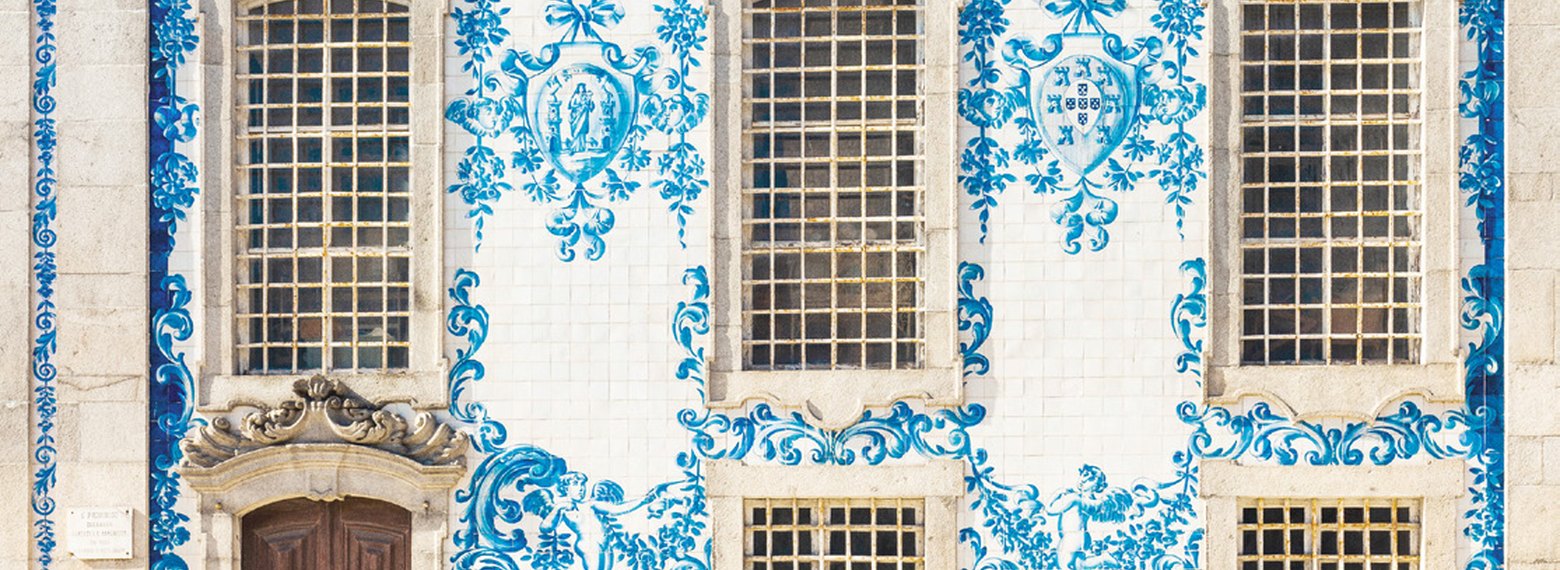
Where ancient azulejos meet golden port wine and every cobblestone street tells a story. Porto is walkable, tile-covered and set on the Douro River, where port, slow dinners and sunset viewpoints set the pace. The high-speed Alfa Pendular train connects it to Lisbon in about 3 hours — a genuinely scenic, comfortable ride (book through CP).
Best time: May–June and September–October. Late June brings the São João festival; September–October is Douro harvest season.
Porto Neighborhoods & Landmarks
Ribeira — the UNESCO-listed riverfront of colorful buildings tumbling down to Cais de Ribeira. Get lost here and in Bolhão, home of the tile-covered Chapel of Souls.
Livraria Lello — the world’s most beautiful bookshop, a Neo-Gothic gem from 1906 with a sweeping red staircase and stained-glass ceiling. Said to have inspired J.K. Rowling. Book timed entry ahead and go early or late; the €5 voucher counts toward a book.
São Bento Station — 20,000 hand-painted tiles from 1916 depicting coronations, battles and rural life. Go even if you don’t have a train to catch.
Sé do Porto — the 1110 Romanesque cathedral, a mix of Baroque, Romanesque and Gothic. Free to enter; €3 for the cloister plus a climb up the north bell tower. Budget an hour. Don’t skip it.
Bolsa Palace — the old stock exchange, built 1842–1910, guided tour only. The star is the Arab Room, so detailed in gold leaf it took decades to finish. Book ahead.
Church of São Francisco — a gilded interior said to hold more than 880 pounds of gold. No photos inside; admission includes the museum and catacombs.
Igreja do Carmo & Igreja dos Carmelitas — two churches separated by a 6-foot-wide house built purely to keep the monks and nuns apart. Carmo’s tiled exterior is one of Porto’s most beautiful.
Igreja de Santo Ildefonso — built in 1739, destroyed twice, restored, with a stunning 1932 azulejo façade. Wonderfully unhurried.
Torre dos Clérigos — Porto’s tallest landmark since 1763. Climb the 225 steps (narrow and a bit claustrophobic) for a 360° panorama. €5 including a small museum.
Best Views in Porto
Miradouro da Vitória — Porto’s most beloved sunset spot, with nearly every landmark glowing orange and red. One of my favorite experiences in the whole city.
Jardim do Morro (Gaia) — the classic postcard view, usually with a musician playing. Climb up to the Monastery of Serra do Pilar for an even higher vantage point.
Dom Luís I Bridge — the 1886 double-deck iron bridge, designed by an apprentice of Gustave Eiffel. Walk the upper deck at sunset, then settle in at Cais de Ribeira. We did this three evenings in a row.
Douro River cruise — about 20 minutes and around €15 per person from the Ribeira docks. Go as close to sunset as you can, and book ahead in summer.
More Porto Favorites
Casa da Música — a 2005 architectural masterpiece with performances most days at remarkably affordable prices. Check the schedule and book ahead.
Serralves Museum — world-class contemporary art designed by Álvaro Siza Vieira, surrounded by gardens. Don’t miss the Casa de Chá café and the Treetop Walk.
Jardim do Palácio de Cristal — a peaceful 19th-century garden of fountains and greenery. We’d Uber next time; it’s a trek from the center.
Foz do Douro — where the Douro meets the Atlantic. Ocean promenades along Avenida de Montevideu, old villas, the Molhe do Douro harbor wall, and excellent seafood. Take an Uber — it’s far from downtown.
Port Wine 101
All the port cellars are in Vila Nova de Gaia, right across the river, and they’re close enough to hop between. Fair warning: this is one of the most popular things to do in Porto, so book well in advance. Pro tip: the cellars don’t vary dramatically — don’t overthink it, just book one and enjoy it.
Cálem — the largest producer and a must for first-timers. Book the fado tour: cellar visit, two ports and a live fado performance.
Sandeman — founded in 1790, with caped guides for a wonderfully theatrical tour.
Caves Ferreira — founded in 1751, woman-owned and authentic. Fewer visitors, so it feels like a discovery.
How to drink it like a local: white port and tonic before dinner, ruby with cheese, tawny as a digestif.
Where to Eat in Porto
Restaurants often close roughly 4–7pm, so grab a pastry or a few olives, then settle in for a leisurely 2–4 hour dinner. Embrace it.
Must-try: a francesinha (sausage, ham and steak between bread, topped with a runny egg, melted cheese and a spiced beer-tomato sauce — with a cold beer, obviously), bifanas at Casa Guedes, caldo verde, bacalhau, and warm pastéis de nata at Confeitaria do Bolhão, serving Porto for 120+ years.
Order like a local: a galão (espresso with foamy milk in a tall glass), a cimbalino (what locals call an espresso — you’ll get an instant smile), and a glass of crisp vinho verde with seafood.
Cantinha 32 (Ribeira) — beloved local favorite with an unforgettable octopus dish. Reserve ahead.
Taberna dos Mercadores (Ribeira) — just 12 seats. Seafood stew for two and flaming shrimp are the must-orders. Book well in advance.
Casa Guedes (Downtown) — Porto’s most famous sandwich shop. The pernil sandwich is iconic.
Tasco (City Center) — exceptional service and shareable plates.
Cantinho do Avillez (Downtown) — a Porto institution for octopus and craft cocktails. Reserve ahead.
Taberna dos Merceeiros (Ribeira) — traditional petiscos in an unfussy tavern.
Piccolo Camafeu — Praça de Carlos Alberto 85. Intimate and charming, like your grandparents’ dining room, with French windows over the square.
Bacalhau — Muro dos Bacalhoeiros 154. A riverfront gem built around cod (try it with egg yolk or turnip greens and chorizo), with a little shop of Portuguese wines, cheeses and olive oils.
Restaurante Cafeína — Rua do Padrão 100. Seasonal Italian- and French-influenced plates near the river; try the salmon ceviche or Tornedó Wellington.
ODE Porto Winehouse — Largo do Terreiro 7. A tucked-away wine house with a nine-course, locally sourced tasting menu.
O Paparico — Rua de Costa Cabral 2343. Bold, refined takes on Portuguese comfort food, with a sommelier pairing by region and soil.
Pedro Lemos — Michelin-starred and magnificent, with a rooftop terrace and wine cellar. Reserve for a special evening.
Day Trip: The Douro Valley
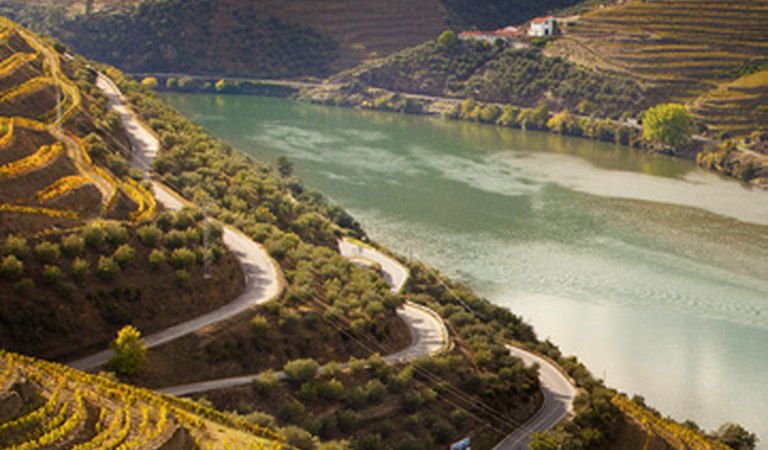
Terraced vineyards cascading down to a glittering river — a UNESCO site and Portugal’s most beloved wine region, under two hours from Porto. Go by scenic train from São Bento, by river cruise, or by private car with winery stops along the way. Better yet, let me arrange a private driver, hand-picked wineries and a riverside lunch.
Book a Douro Valley wine tour →
The Porto Checklist
- Stroll Cais de Ribeira at golden hour
- Walk the Dom Luís I Bridge at sunset
- Visit Livraria Lello (timed entry)
- Tour São Bento Station (free)
- Sé do Porto cathedral & cloister
- Bolsa Palace’s Arab Room
- Find the narrow house between the two churches
- Sunset at Miradouro da Vitória
- Climb Torre dos Clérigos
- Tour at least one port cellar in Gaia
- Sunset Douro River cruise
- A show at Casa da Música
- Serralves Museum & gardens
- A francesinha with a beer
- White port and tonic as an aperitif
- A long, leisurely 2–4 hour dinner
Decoding a Portuguese Menu
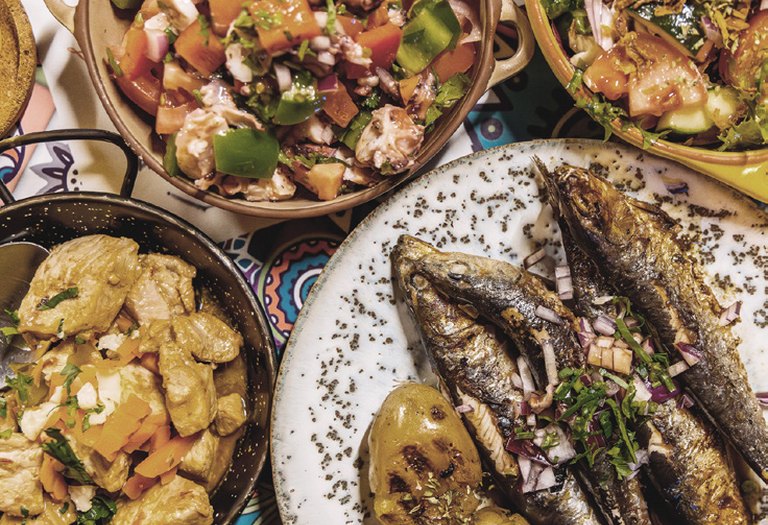
Bacalhau — sun-dried, salt-cured cod. Bacalhau com natas is a creamy potato bake; pastéis de bacalhau are fried cod croquettes.
Pastéis de nata — custard tarts in crispy, flaky pastry. Best warm, any time of day.
Caldo verde — potato and collard green soup from the Minho, often with a slice of chouriço.
Francesinha — Porto’s over-the-top sandwich smothered in cheese and tomato-beer sauce.
Frango piri-piri — spicy, garlicky chicken with roots in Africa and Portugal. Look for a churrascaria.
Polvo à lagareiro — grilled octopus with olive oil, garlic and roasted potatoes.
Porco preto — acorn-fed Iberian black pork from the Alentejo, with a nutty flavor.
Cozido — a boiled dinner of bacon, ribs, chicken, chouriço and morcela with cabbage, potatoes and carrots.
Vinho verde & port — a light, slightly sparkling white from the Minho, and the sweet fortified wine of the Douro. Both make perfect souvenirs.
Getting Around
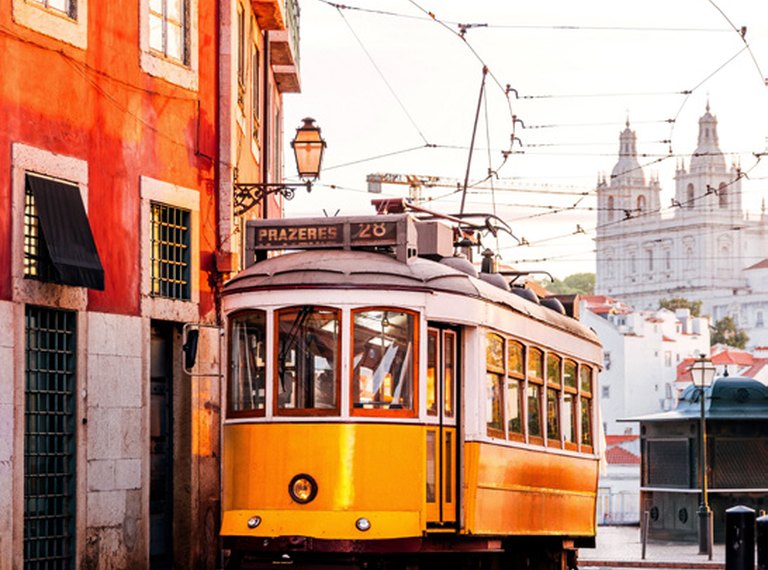
Lisbon’s airport has direct flights from New York, Boston and other U.S. hubs. Trains are your best friend: the Alfa Pendular links Porto and Lisbon in about 3 hours, and the Cascais Line runs to the beach. Lisbon’s metro is clean and efficient (a day pass is about €5). Uber is reliable and affordable, and taxis are beige and metered. Tram 28 is iconic but crowded — ride it for the experience and watch for pickpockets. The hills are real, so embrace the funiculars.
The roads move fast — the one exception to Portugal’s slow pace. Keep drive times short and enjoy the countryside.
Know Before You Go
Passport: U.S. and Canadian citizens don’t need a visa for stays up to 90 days in any 180-day period. Your passport should be less than 10 years old and valid at least 3 months beyond your departure from the Schengen Area (I recommend 90+ days past your return). You may be asked for proof of onward travel and lodging. Make sure your name matches every reservation exactly.
EES: the EU’s Entry/Exit System has been fully live since April 2026 — fingerprints and a photo replace passport stamps, so build in a little extra time at your first crossing.
ETIAS: the EU’s pre-travel authorization (about €20, valid three years) is not in operation yet and has no confirmed start date — 2027 looks likely. No action needed today; re-check before you go.
Safety: Portugal is consistently ranked among the safest countries in the world. Dial 112 for any emergency. Keep a photo of your passport on your phone and a paper copy separate from the original. Enroll in STEP, and pack prescriptions in your carry-on.
Insurance: medical and cancellation coverage is highly recommended — we love Travel Insured.
Mobility: historic centers are hilly and cobbled. We can build in a slower pace and suitable vehicles, but accessible vehicles must be arranged early.
Hotel rooms: often smaller than at home, and bed types are requested, not guaranteed — tell us your preferences up front.
Travel Like a Local
Money: it’s the euro. Cards are widely accepted, but markets, small shops and some restaurants prefer cash, so carry some euros. If a terminal offers to charge you in dollars, choose euros.
Tipping: genuinely modest. Rounding up or 5–10% for great restaurant service is generous, never expected. Hotel service charges are included.
Power: 230V, Type C/F plugs. Bring a universal adapter; hair tools may need a converter.
Phones: country code +351. Check your roaming plan or grab an eSIM.
A few words: Olá (hello) · Por favor (please) · Obrigado/Obrigada (thank you) · Bom dia · Boa tarde · Boa noite · Com licença (excuse me) · Desculpe (sorry) · De nada (you’re welcome).
Customs: dress well — the Portuguese are fashion-conscious and it’s noticed. Avoid pointing at people. Greetings are reserved but warm. Lunch is around 12:30; dinner starts around 8pm. Café culture is an institution — many coffeehouses have Art Deco interiors and a century of literary history. In churches, cover shoulders and knees. Tap water is safe, though many locals prefer bottled.
What to Bring Home
Lisbon is one of Western Europe’s least expensive cities for shopping. Browse Príncipe Real, Chiado, Campo de Ourique and Avenida da Liberdade, plus tiny historic shops like Luvaria Ulisses (gloves) and Casa das Velas do Loreto (candles). The Feira da Ladra flea market runs Tuesdays and Saturdays near the National Pantheon. In Porto, hit Rua das Flores, Rua de Santa Catarina, Rua dos Clérigos and Mercado do Bolhão.
- Wine & port — 250+ native grapes; grab vinho verde or a Douro port.
- Cork — Portugal supplies about half the world’s cork. Wallets, bags, even shoes.
- Azulejos — and a tile-painting class is a great activity with kids.
- Pottery from Caldas da Rainha, Viana do Castelo, Estremoz and Coimbra.
- Canned sardines — beautifully packaged and a genuine delicacy.
- The Rooster of Barcelos — Portugal’s folklore symbol (yes, the Nando’s rooster).
Many merchants will happily ship purchases home.
Portugal With Kids
Portugal is one of the most family-friendly, safest countries in Europe. Lisbon and the Algarve are the easiest bases with young kids — tuk-tuks and historic trams in Lisbon, a moliceiro boat in Aveiro, and gentle beach towns around Cascais. The north skews wine-centric, though Porto’s tuk-tuks and rabelo boats are always a hit.
Festivals Worth Planning Around
- Carnival (late winter/early spring) — parades and Brazilian-style fun, Portugal’s Mardi Gras.
- Santos Populares (June) — Lisbon’s biggest street party, plus Porto’s São João (June 23–24), with grilled sardines and plastic hammers.
- Fátima Pilgrimages (May 12–13 & October 12–13) — expect crowds and book ahead.
- Caixa Alfama (September) — the big fado festival in Lisbon’s oldest district. September–October is also Douro harvest season.
What to Pack
Cobblestones are charming and unforgiving on the wrong shoes. Well-broken-in walking shoes or supportive sandals with grip are non-negotiable, plus one smarter pair for dinner. In summer, linen, jeans, nice sandals and a light wrap for coastal evenings; in spring and fall add a rain jacket; in winter, real layers. The sun is intense May through September — hat, sunglasses, SPF.
- Comfortable walking shoes & blister-proof socks
- Water shoes (rocky beaches, occasional jellyfish)
- Waterproof jacket or packable poncho
- Layers for cool evenings
- Swimsuit & quick-dry towel
- Basic meds — ibuprofen, bandages, digestive aids
- Refillable water bottle
- Type C/F adapter
- Coins for public restrooms
- A copy of your passport
Pack light — one checked bag and one carry-on each — and leave the good jewelry at home. And leave room for a bottle of port.
Apps worth the space: The Weather Channel, XE Currency, Google Translate and your airline’s app.
Need outfit ideas? Browse our Portugal dress and style guides.
Before You Go: Megan’s Culture Picks
Read: The Book of Disquiet by Fernando Pessoa · The Land at the End of the World by António Lobo Antunes · The Cave and The Gospel According to Jesus Christ by José Saramago.
Watch: Anthony Bourdain’s Lisbon episode of No Reservations · A Ferreirinha (the woman who shaped port wine) · Conta-me Como Foi · Night Train to Lisbon.
Perfect Combinations
- Lisbon + Sintra + Cascais — the classic 3–4 day base.
- Lisbon + the Algarve — city plus beach.
- Lisbon + Porto + the Douro Valley — city plus wine country.
- Porto + a Douro Valley day trip or overnight.
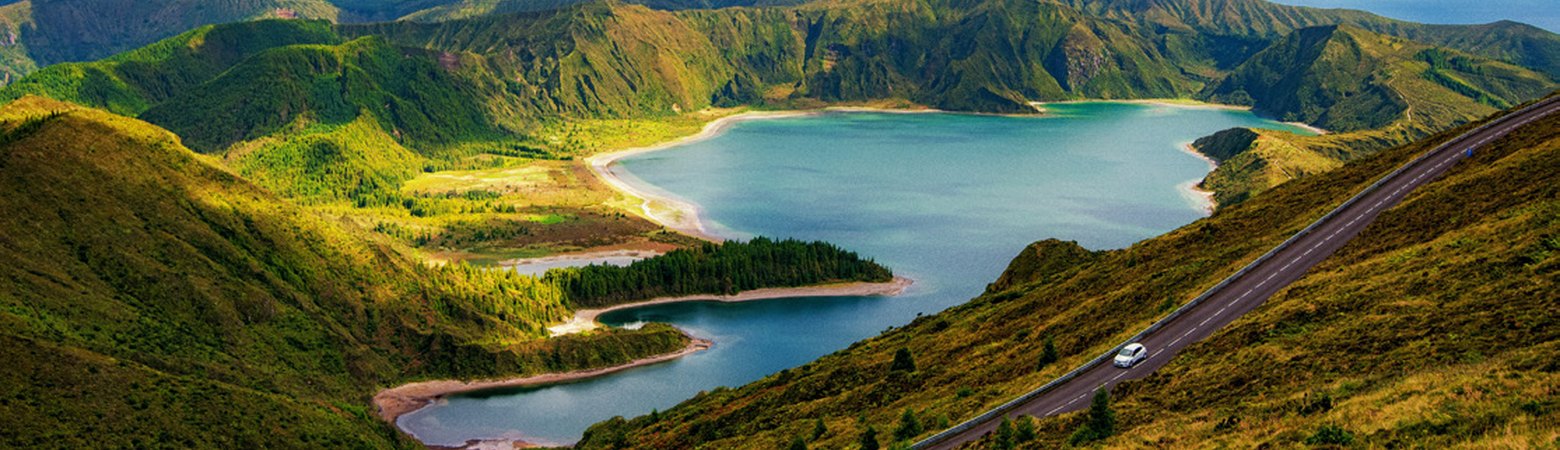
- And don’t forget the Azores — a world of their own.
Where to Stay
Lisbon neighborhoods each have their own personality — Príncipe Real for style, Chiado for walkability, Belém for the monuments, or a coastal base in Cascais. As a Virtuoso agency, we can add complimentary perks like breakfast, upgrades and hotel credits at Portugal’s best hotels. Ask me for recommendations tailored to your trip.
The PaylorMade Toolkit
Travel Links We Trust
The partners and tools we use ourselves, all in one place.
Sláinte to your next adventure
Your Ireland Is Waiting
Ireland is the kind of trip that feels like coming home, even on your first visit. Castles, pints, cliffs and all, we will plan every detail with you.
Start Planning My TripPorto, Lisbon, the Algarve — Portugal is one of those rare places that surprises you. You arrive expecting to be charmed and leave completely captivated, already planning your return. Go with an open schedule, wear comfortable shoes, stay curious and let it reveal itself to you. Reach out today and we can start planning.
With Gratitude,
Megan Paylor